Do Low-Light Tanks Need Plant Food?
Short answer: yes, just less of it. Here’s how much to use in a low-light tank and how to keep it algae-free.
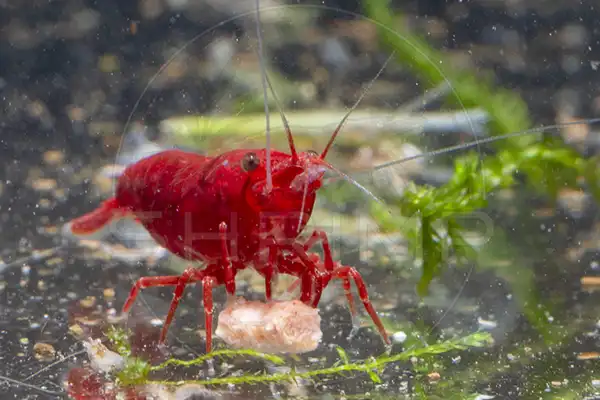
Low-light tanks are the most popular planted setups in the UK: no CO₂, a modest LED, and easy plants like java fern, anubias, crypts and mosses. Because they grow slowly, many people assume they don’t need feeding. They do. Slow growers still need every nutrient, they just use it slowly. Starve them and they yellow, stall and get covered in algae.
Why low-light plants still need feeding
Light sets the pace of growth, and the pace of growth sets how much food a plant uses. In a low-light tank that pace is slow, so the amount of food needed is small. But a small need isn’t zero. Fish waste usually covers some nitrogen and phosphorus, while potassium, magnesium and trace elements run out over time. That’s why low-tech tanks often look great for the first few months, then slowly fade.
How much to dose
| Tank | Daily dose (macro + micro) |
|---|---|
| Low light, slow plants, fish | 0.5ml of each per 10L |
| Low light, shrimp only | 0.5ml of each per 10L, build up over 2–3 weeks |
| Low light, lots of floating plants | 0.5–0.75ml of each per 10L |
| Medium light (a stronger LED) | 1ml of each per 10L |
Doses are for Aquafertz PPS-Pro solutions. Always dose before the lights come on.
Low-tech tanks are all about stability. A small daily dose keeps nutrients steady at a level slow plants can use, without leaving extra in the water for algae.
Best plants for low light
Java fern and anubias
Tie them to wood or rock. They take nutrients from the water, so they rely on liquid plant food rather than the substrate.
Cryptocoryne
Heavy root feeders. Add a root tab near each one, plus a low water-column dose.
Mosses and Bucephalandra
Great for shrimp tanks. Moss turns brown and stringy without enough food.
Floating plants
Frogbit and salvinia grow fast even in low light and soak up spare nutrients. A great algae defence.
We cover more options in our guide to easy aquarium plants for beginners.
Signs you need a little more or a little less
Dose a bit more
Older leaves yellowing, anubias leaves with holes, moss turning brown, or growth stopping completely.
Dose a bit less
Green spot algae on slow leaves or hair algae spreading while plants look healthy. Check your light hours first, though: 6–7 hours is plenty for low light.
Don’t forget the light
In a low-light tank, the light period matters more than the dose. Six to eight hours a day is plenty. Running a low-light tank for 10–12 hours gives algae a long day with plants that can’t keep up. If you’re fighting algae, cut the hours before cutting the food. Read more in why algae appears in planted tanks.
Quick answers
Can I skip plant food in a low-tech tank?
You can for a while, but most low-tech tanks fade within a few months without it. A small daily dose keeps plants healthy for the long term.
Will plant food cause algae in a low-light tank?
Not at the right dose. Overdosing can, which is why low-light tanks use half the standard dose.
Do anubias and java fern need plant food?
Yes. They grow on wood and rock, so they feed from the water column rather than the substrate. They need very little, but they do need it.
Do I need CO₂ for a low-light tank?
No. Low-light plants grow happily on the CO₂ already in the water. You just dose less food to match the slower growth.
Products mentioned in this guide
Everything to start dosing on day one: pre-measured macro and micro compounds, two 500ml bottles, two dosing syringes and a full dosing guide.
Already mixedMacro and micro solutions already dissolved and ready to dose. No preparation at all.
Shrimp safeThe copper-free trace element blend for your micro bottle. Safe for shrimp, snails and other invertebrates.
Copper-free aquarium plant food.
Dose on day one.
Pre-measured compounds, bottles, syringes and a full dosing guide. Shrimp safe, made in the UK, free UK delivery on every order.
Everything you need to get the most from your planted aquarium.
