
Copper-Free Aquarium Plant Food: Why It Matters for Shrimp and Snails
Copper is one of the most common ingredients in plant foods, and one of the biggest risks to shrimp and snails. Here’s why copper-free matters.
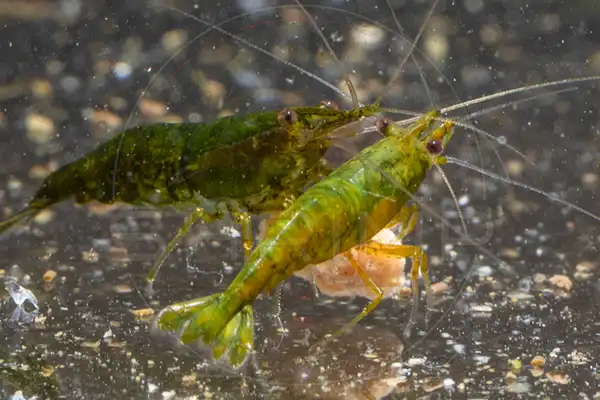
Shrimp and snails are some of the most popular animals in UK planted tanks. They’re also far more sensitive to copper than fish are. Many general plant foods include copper as a trace element. For a fish-only tank that’s fine. For a shrimp tank, it can slowly cause losses that are very hard to trace back to the plant food.
Why copper is a problem for invertebrates
Shrimp and snails use copper in their blood in a different way to fish, and they can’t cope with extra copper in the water. At the levels found in some plant foods, it builds up in the substrate, filter and plants. The result is often slow: shrimp that fail to moult properly, berried females dropping eggs, and colonies that never quite grow, rather than sudden deaths.
Copper also comes from other places: some medications, old copper pipes and some tap water. That’s why it makes sense to avoid adding any more through your plant food.
How to check a plant food label
Look for “copper-free” or “shrimp safe”
A clear statement on the label is the best sign. If it isn’t there, assume copper may be included.
Check the ingredients
Look for copper, copper sulphate or Cu in the list. If you see it, don’t use it in a shrimp tank.
Be wary of house plant feeds
Garden and house plant foods often contain copper and urea. They’re not made for aquariums.
Ask the seller
A good aquarium supplier will tell you exactly what’s in their food.
Why Aquafertz is copper-free
Aquafertz was built for shrimp keepers. Our Copper-Free Micro Mix gives plants the trace elements they need without any copper at all. Every Aquafertz kit uses it, so the whole range is safe for Neocaridina, Caridina, snails and other invertebrates.
In a shrimp tank, start at half the standard dose and build up over two to three weeks. Shrimp love stable water, so steady daily dosing is far kinder than big weekly doses.
Dosing a shrimp tank safely
| Step | What to do |
|---|---|
| Start low | 0.5ml macro + 0.5ml micro per 10L daily |
| Build slowly | Increase over 2–3 weeks only if plants need it |
| Keep it stable | Dose at the same time every day, before lights on |
| Watch the TDS | Water change when tank TDS rises well above your tap water |
| Avoid surprises | No copper medications, no house plant feeds |
Our full guide, is aquarium fertiliser safe for shrimp?, goes into more detail on dosing and water changes in shrimp tanks.
Plants that suit shrimp tanks
Mosses, Bucephalandra, anubias, java fern, small crypts and floating plants such as frogbit all thrive at low doses and give shrimp places to graze and hide. Find more in easy aquarium plants for beginners.
Quick answers
Is copper in plant food dangerous to shrimp?
Yes. Shrimp and snails are much more sensitive to copper than fish, and it can build up over time. Use a copper-free plant food in any tank with invertebrates.
Is Aquafertz copper-free?
Yes. Every Aquafertz kit uses our Copper-Free Micro Mix, so the whole range is safe for shrimp and snails.
Can I use a normal plant food at a lower dose for shrimp?
It’s not worth the risk. Copper builds up in the substrate and filter even at low doses. Choose a copper-free food instead.
Is copper-free plant food safe for fish?
Yes. It’s safe for fish, shrimp, snails and plants alike.
Products mentioned in this guide
The copper-free trace element blend for your micro bottle. Safe for shrimp, snails and other invertebrates.
Best valueEverything to start dosing on day one: pre-measured macro and micro compounds, two 500ml bottles, two dosing syringes and a full dosing guide.
Already mixedMacro and micro solutions already dissolved and ready to dose. No preparation at all.
Copper-free aquarium plant food.
Dose on day one.
Pre-measured compounds, bottles, syringes and a full dosing guide. Shrimp safe, made in the UK, free UK delivery on every order.
Everything you need to get the most from your planted aquarium.
